Types of Web Design: A Complete Guide to Latest Website Styles
Author :
Web design is a big part of how we experience the web each and every single day. Every site you visit has its own look and style.
And those styles aren’t chosen randomly. They are planned and designed to make the site easy to use and nice to look at.
That is why we will look at some of the most popular types of web design that are in trend these days in this blog.
More so, we’ll give you our two cents on each design so that you can know what each design entails.
With so many designs in store, you can choose the right types of web design for your site.
So, without any further ado, let’s get right into it.
What is Web Design?
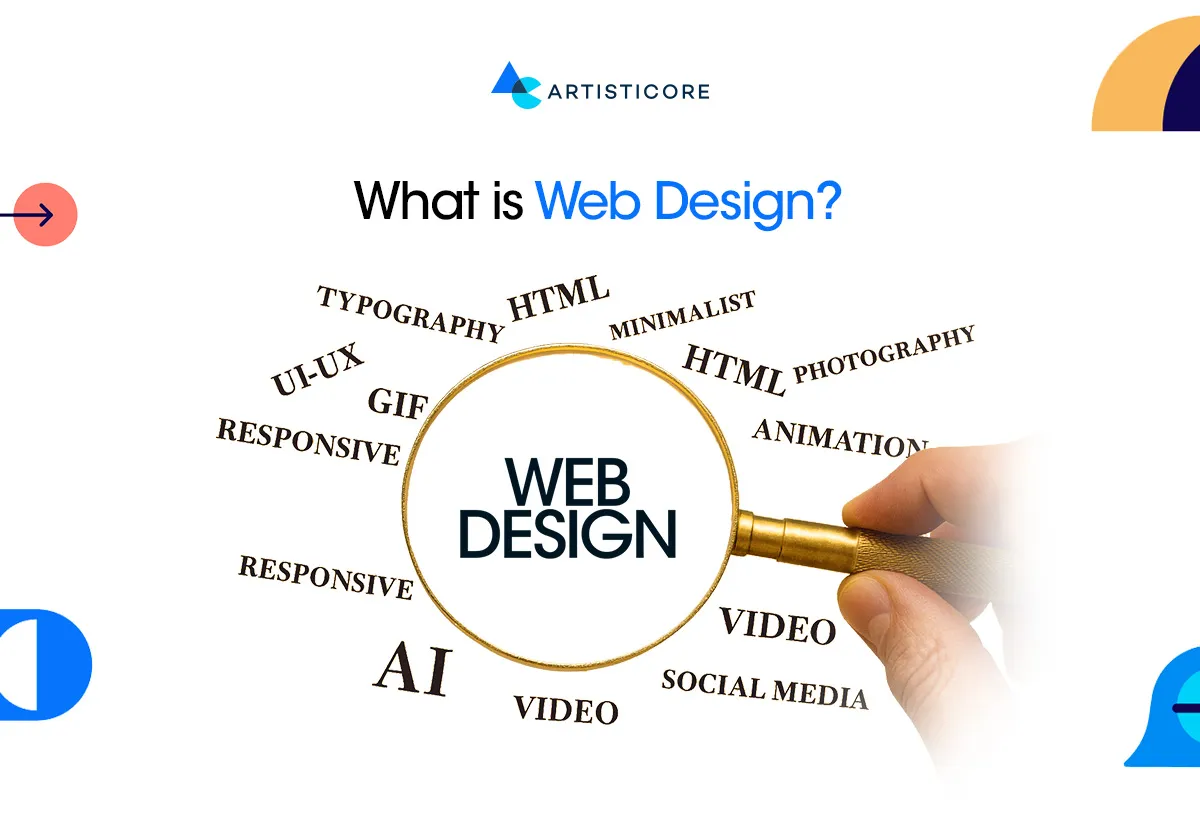
A web design refers to the design of the website. It refers to the process of creating layouts, choosing colors, typography, images, and the style of a site.
The goal is to make the site easy to use. At first, web designs were for desktop use. But these days, sites are designed for smartphones and tablets as well.
It is not all about aesthetics and layouts, but also includes the overall functionality of the website. This design includes UX and UI in web design, mobile apps, and web apps.
With the help of a good type of web design, you can also rank highly in search. The aim is to make sure everything looks clean.
Also, the design should help users get to the information they are searching for without causing any confusion.
More so, good web design guarantees that a site looks good on phones, tablets, and PCs. It is a hustle of creativity and problem-solving to come up with pages that are not only visually attractive but also functional.
To put it simply, web design is the skill of making a website both aesthetically pleasing and user-friendly for every visitor.
Ready to Build a Website that Truly Stands Out? Let Our Design Experts Bring Your Vision to Life.
Importance of Web Design
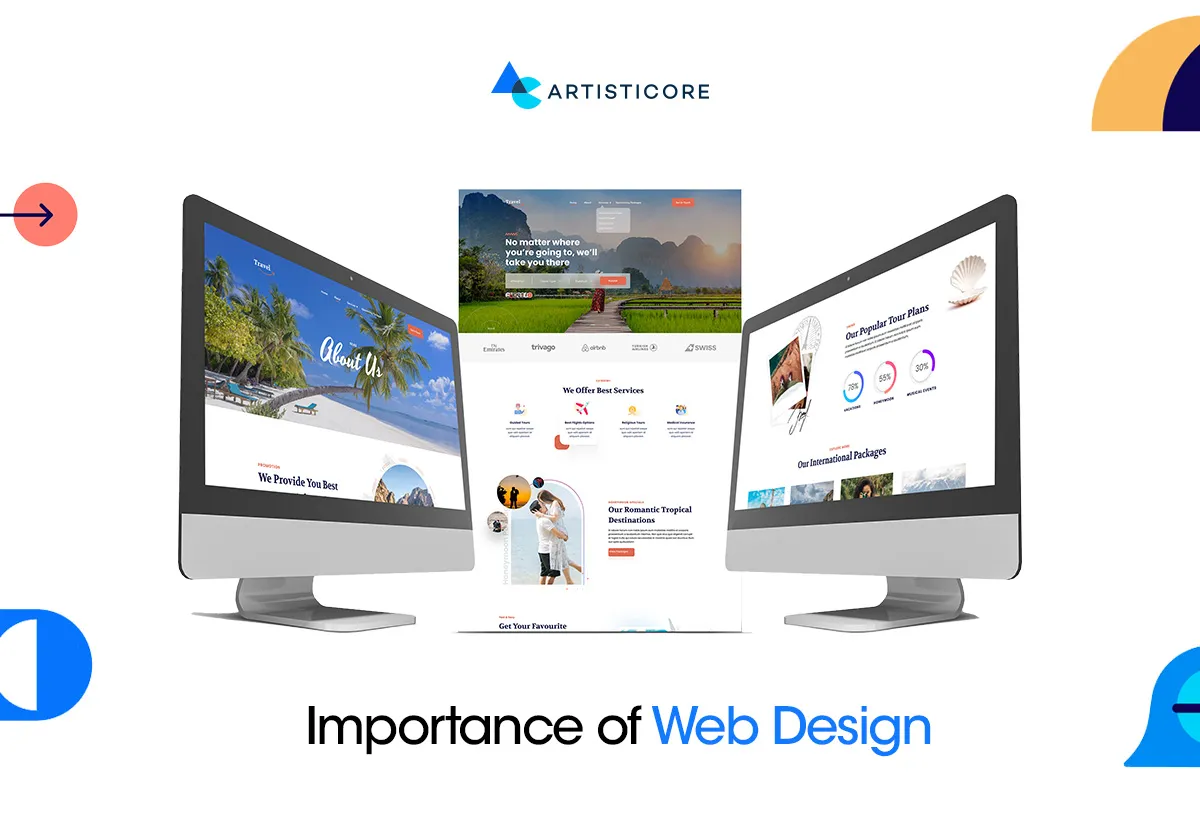
Web design is important because it creates the very first impression that users get when they land on a website. A site that is disorganized, slow, or hard to navigate will have very quick visitor exits.
In contrast, a clean, simple, and well-designed website will entice users to stay longer and even build the brand’s trust.
Good web design also positively affects the aspect of the site as to how easily one can move around it.
It also does so by letting the user find what he/she is looking for or even the product without losing his/her cool.
Good web design is also a key factor in determining the performance of a website on search engines such as Google.
When a website is nice to look at, fast in loading, and easy to use on every device, the users will always be inclined to enjoy the experience.
That good experience is what can change the status of the visitor to that of the customer, so web design becomes a crucial factor that every business has to deal with.
15 Popular Types of Web Design
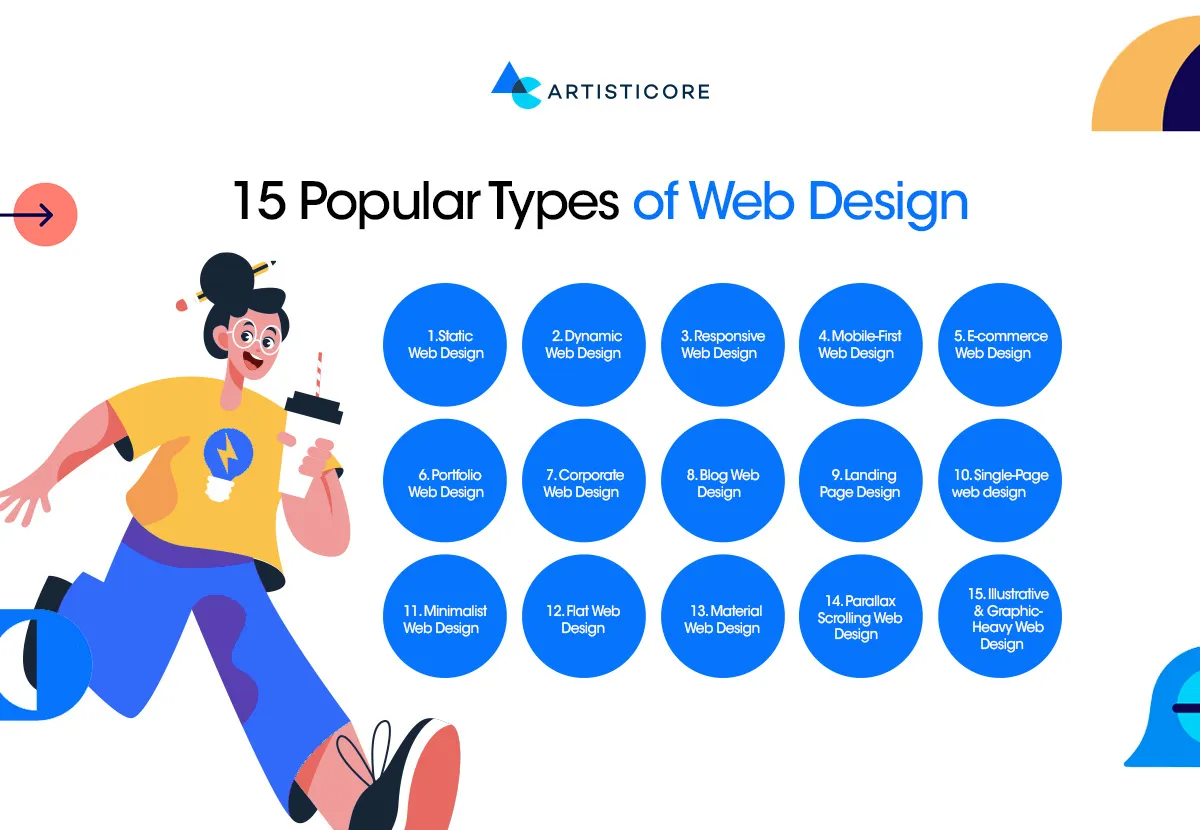
There are many different types of web designs. And each type of web design works best for certain things.
That is why knowing these types of web design will help you choose the right one for your site. Therefore, the 15 types of web design are as follows:
1. Static Web Design
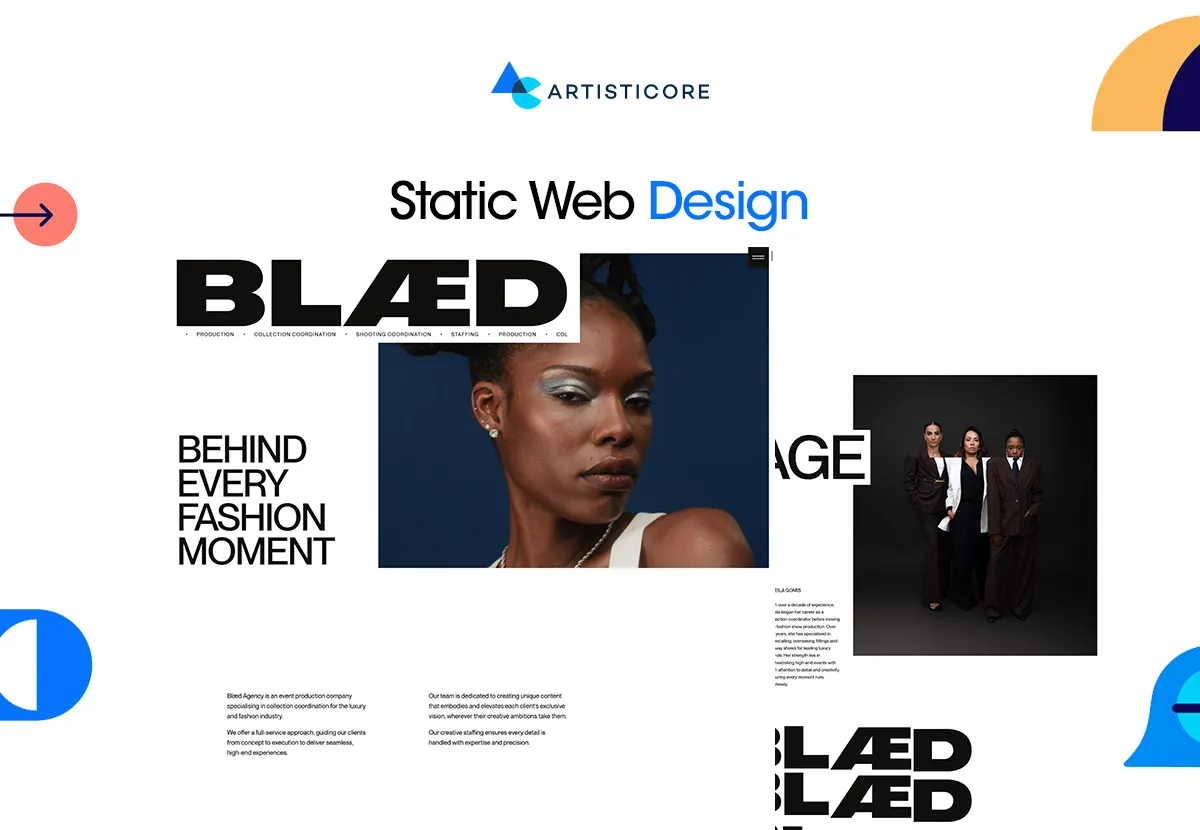
Static web design is the simplest of all the different web styles. It uses fixed pages that have the same view for every single visitor.
HTML and CSS are the tools for crafting these pages. This results in very quick loading and consistent performance.
Static sites are ideal for small companies, personal sites, or anyone who doesn’t mind having the content change rarely.
Because the information isn’t changing by itself, the development of the content has to be done through manual work by a developer.
However, the upside is that static sites are cheap. More so, they require little maintenance and are best for straightforward information without any fuss.
2. Dynamic Web Design
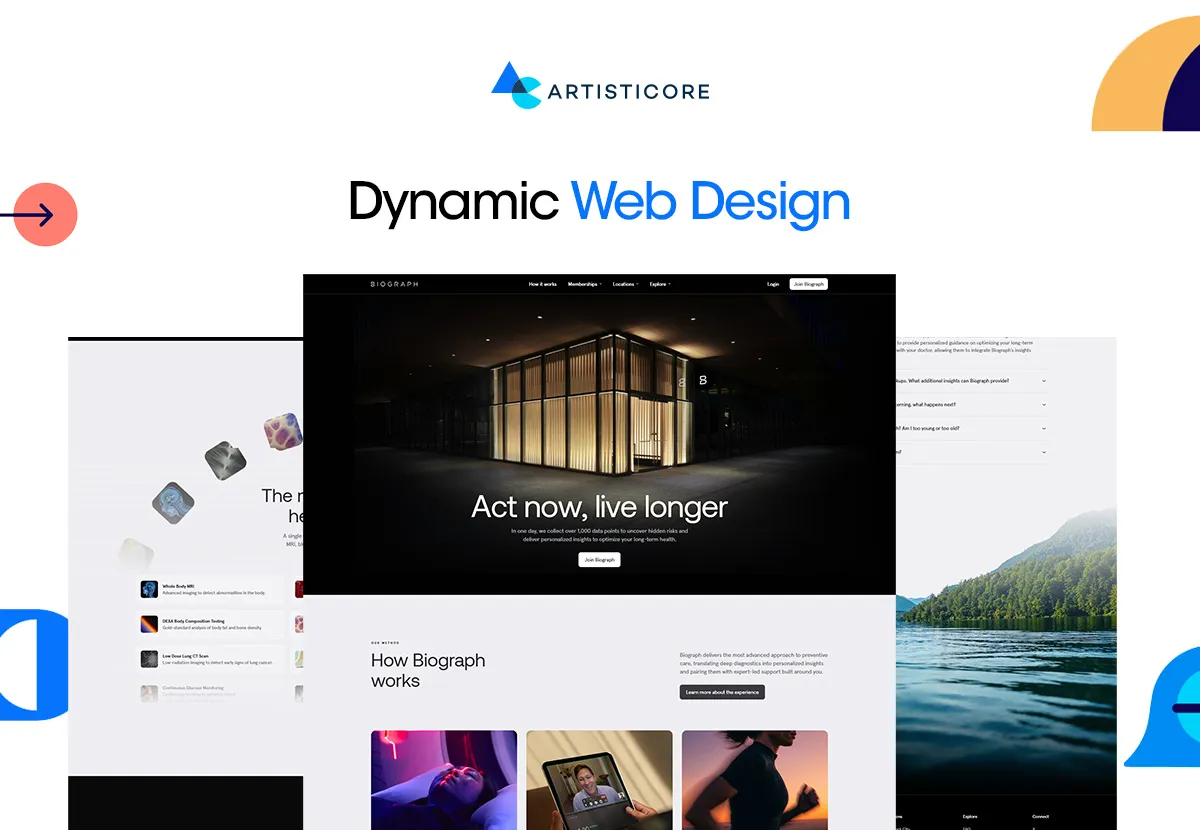
Dynamic web design is radically different from static design since it enables the website to undergo modifications as per the user’s interaction or input.
Such websites rely on various programming languages. These are PHP or JavaScript for refreshing content.
For instance, all of them are dynamically designed, namely, dashboards, Instagram feeds, blogs, and online learning platforms.
In contrast to static sites, dynamic ones allow the owners to easily change or append new content without having to deal with the code.
The main features that define them are flexibility, interactivity, and the capability of dealing with vast amounts of information.
Therefore, they are ideal for brands that want to make daily announcements, permit user registration, or deliver content to different groups of visitors.
3. Responsive Web Design
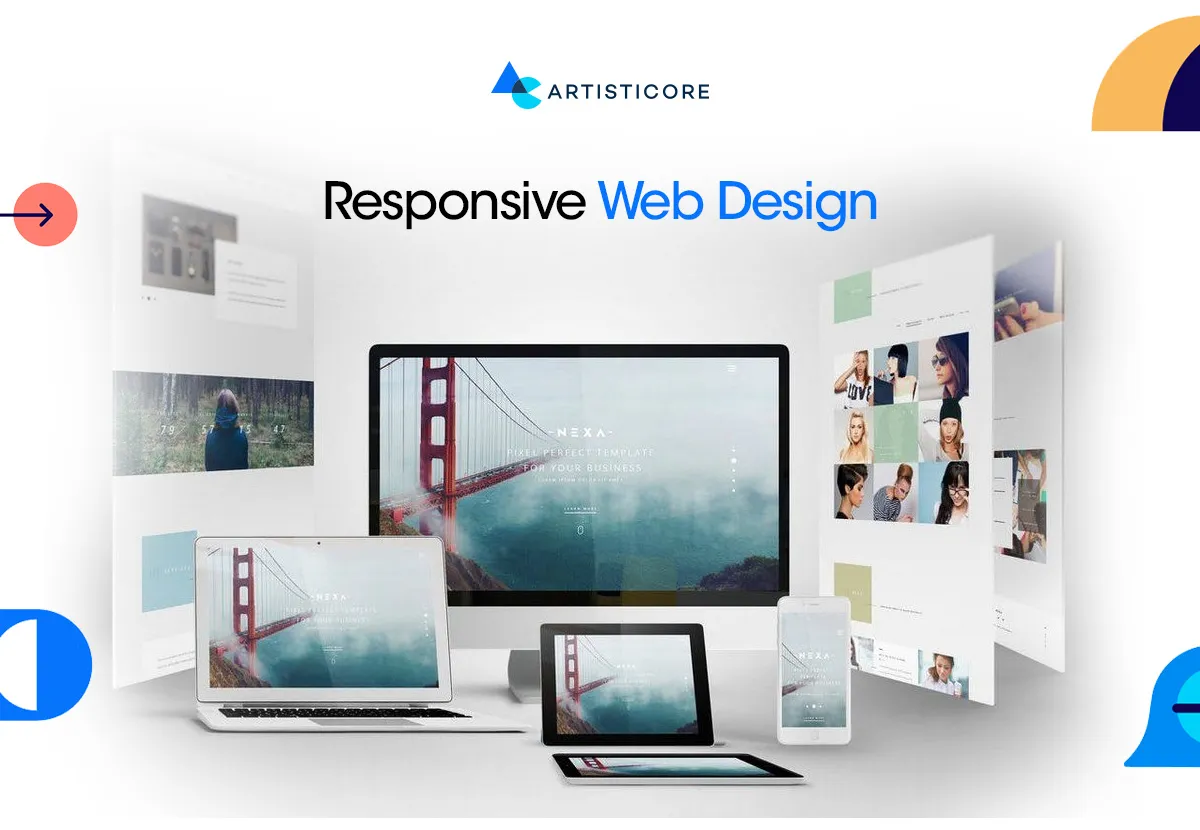
Responsive web design guarantees that your website has the same appearance no matter what screen the user views it on.
More so, responsive design doesn’t require different sites for each device; instead, it adjusts your site to the screens.
The site undergoes changes, for instance, layout changes in position, text scaling, and reduction in the size of images, to fit the screen.
This whole thing results in a seamless and user-friendly experience, no matter the device used.
Responsive design is a must-use practice nowadays as a major share of the internet audience is relying on mobile devices.
More so, responsive sites are always neat, legible, and user-friendly. They have flexible grids with scaling images. It’s really the best way to build modern sites that work on everything.
4. Mobile-First Web Design
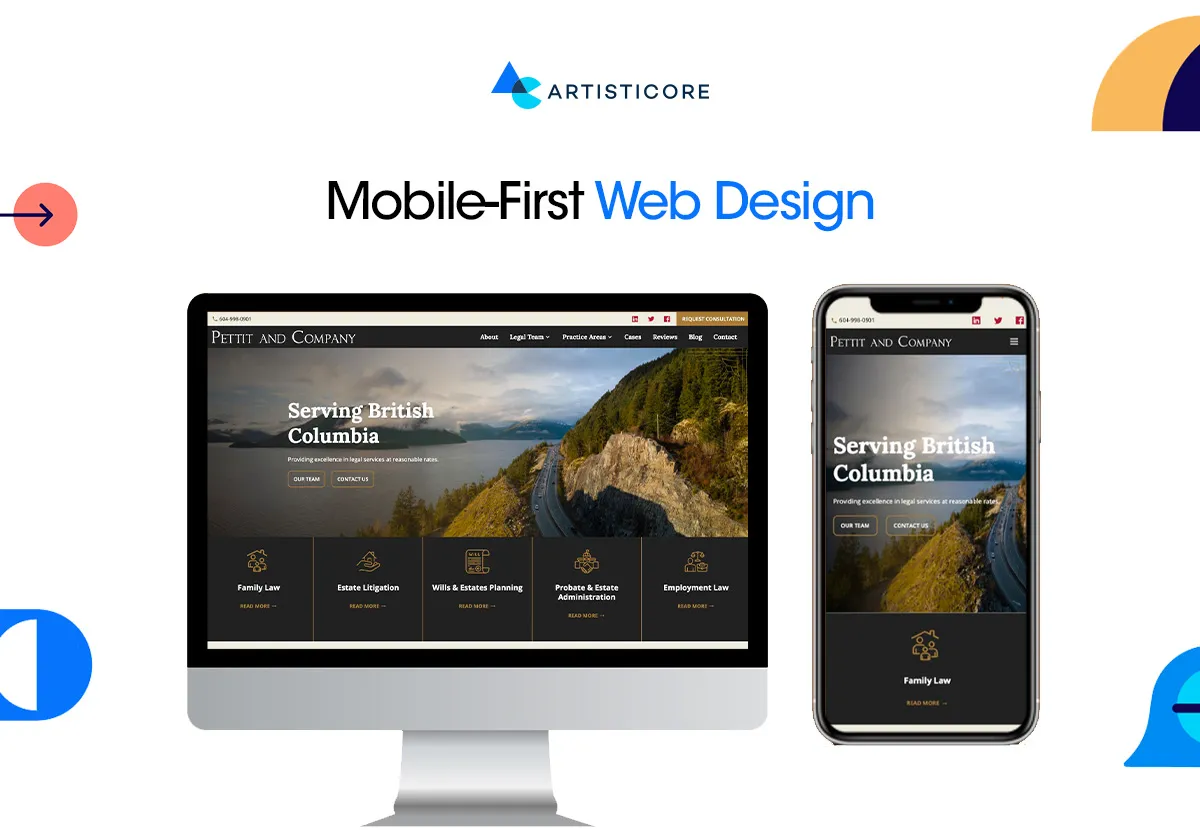
Mobile-first design is the method of making the website for mobile phones first, followed by tablets and desktops.
It is the approach that gives the mobile user the utmost attention in the following aspects: simple layout, fast loading, and easy navigation.
As smartphone usage has increased tremendously, mobile-first design guarantees that the largest user segment will be treated to the best experience.
Once the designers have perfected the mobile version, they then add features and details for larger screens.
This practice allows the site to remain clean and fast while avoiding congestion. Mobile-first design is the best solution for companies whose target groups are mainly phone browsers.
5. E-commerce Web Design
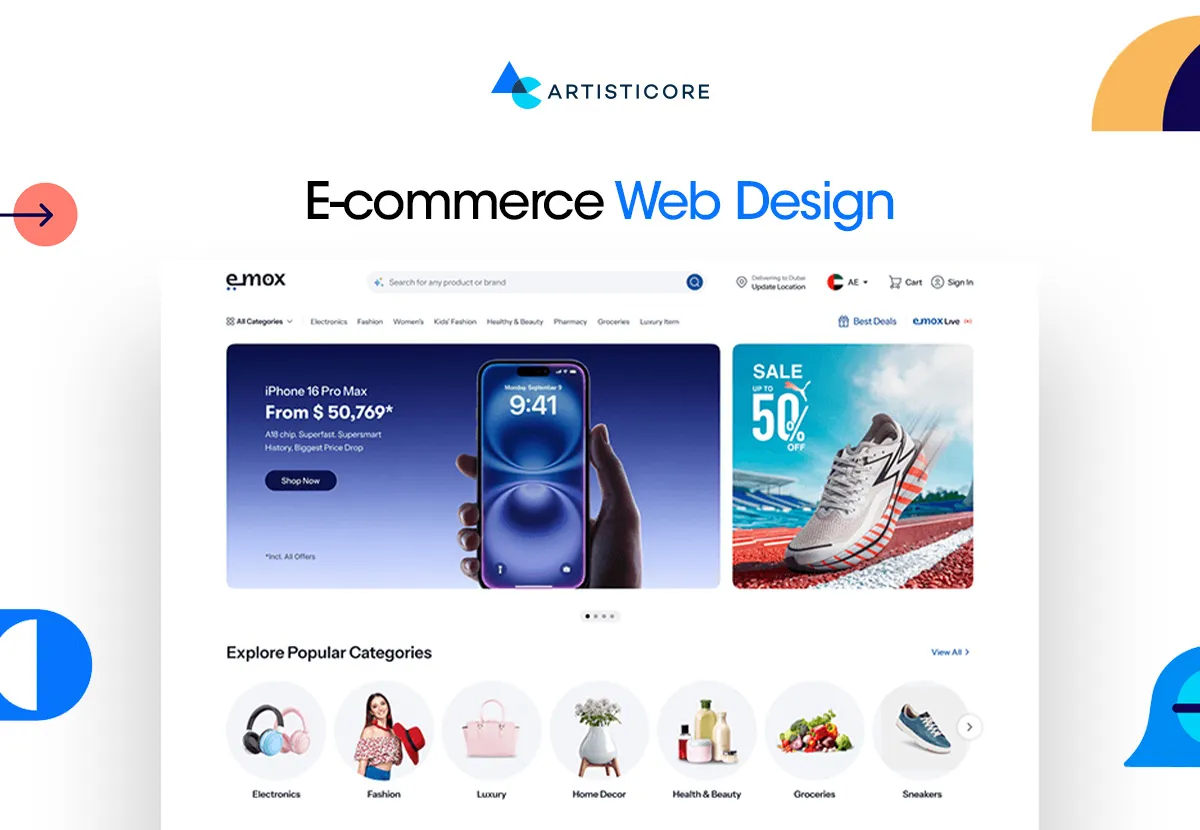
E-commerce web design aims to enhance the online shopping experience. The eCommerce sites consist of product pages, shopping carts, filters, and payment methods.
They have easy navigation to assist customers in locating and purchasing items with ease. The e-commerce design adds a great visual aspect to the purchase.
This is thanks to clear images, easy layouts, and trustworthy payment systems. More so, it is fast on every device.
This way, customers don’t get frustrated and bail out. The features like search boxes, wish lists, and product categories make the shopping experience better.
More so, they allow customers to shop with ease. E-commerce design is ideal for all businesses that sell products online.
This includes small shops and large marketplaces. It wins the customers’ trust and also increases the chances of them buying stuff.
6. Portfolio Web Design
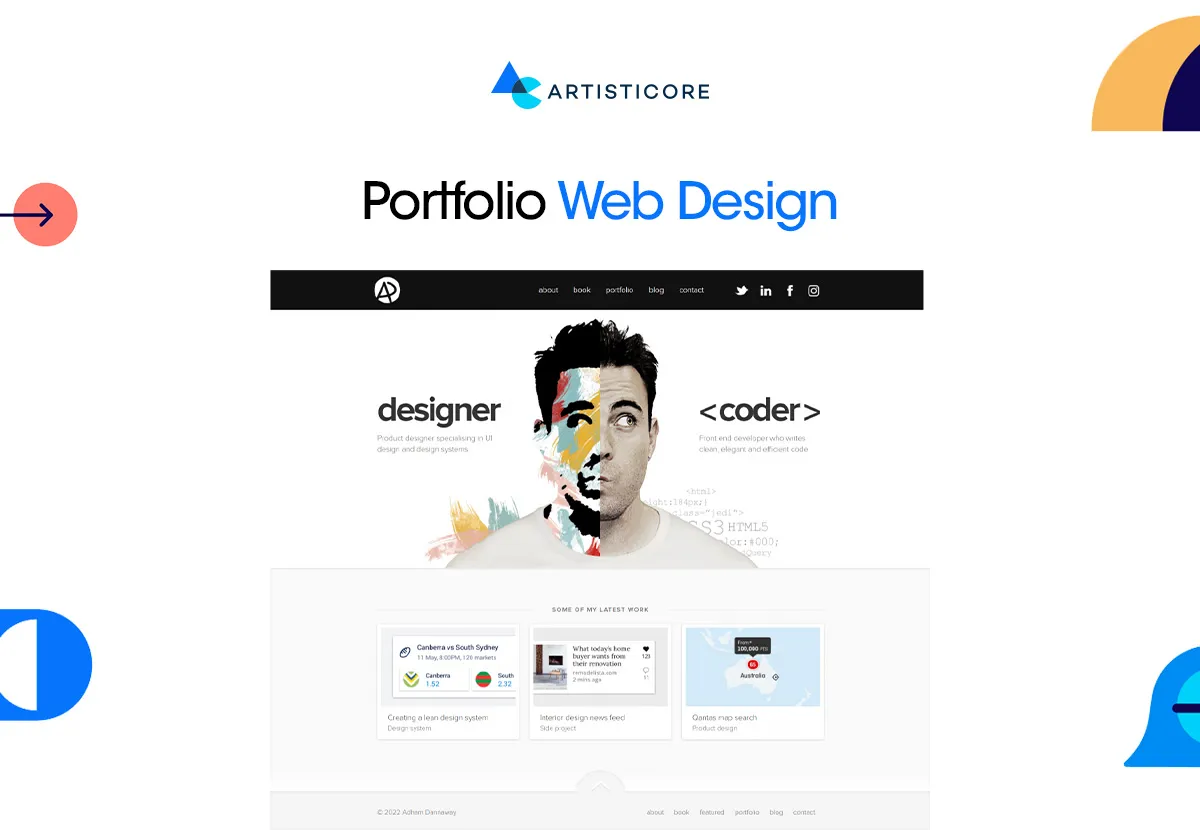
Portfolio web design presents an ideal solution for showing off your work in a neat and creative manner.
It is a popular choice among designers, artists, photographers, writers, and agencies. Anyone who wishes to display their most notable works or projects uses these designs.
A nice portfolio site depends on visuals, narratives, and user-friendly navigation. This way, the users can easily and quickly go through the whole work.
It consists of project galleries, case studies, and concise descriptions that are meant to clarify each project.
The main idea is to win over the visitors and give them a chance to easily comprehend your talents.
Portfolio web design is a process of making the best of your work and forming a powerful initial impact on the clients.
Want a Web Design that Boosts Traffic and Trust? Artisticore Delivers Clean and Modern Websites.
7. Corporate Web Design
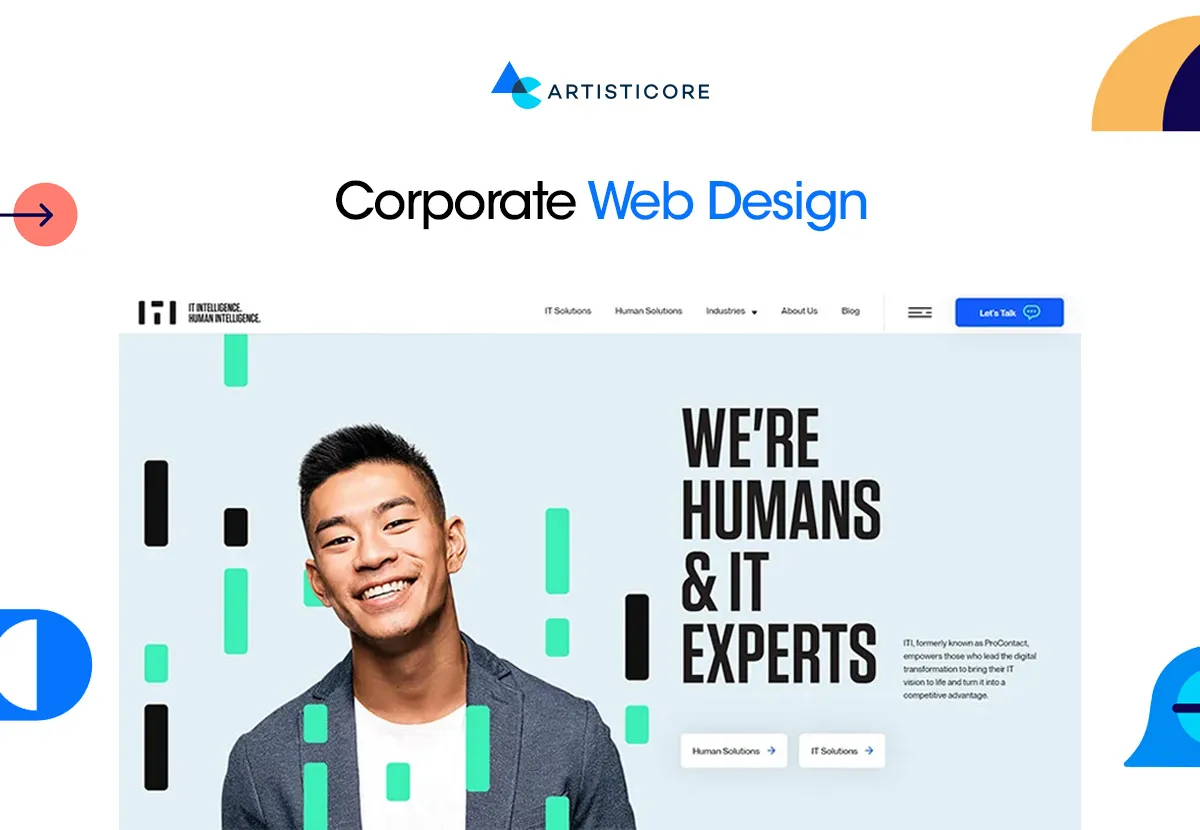
Corporate web design is for brands that want to look pro and trustworthy on the Internet. These sites are known for their clear layouts, minimal color choices, and well-organized pages.
They spot the important things such as the range of activities, the people’s roles, the company’s goals, the accomplishments, and the connection details.
Corporate sites, on the other hand, have user experience as a top priority, as companies expect visitors to find the information easily.
They might have blogs, careers, and case studies, among other sections, to show their know-how. The objective of corporate web design is to make a positive and powerful brand impression.
At the same time, it’s about winning over the clients, partners, and investors through trust. It boils down to professionalism and effective communication.
8. Blog Web Design
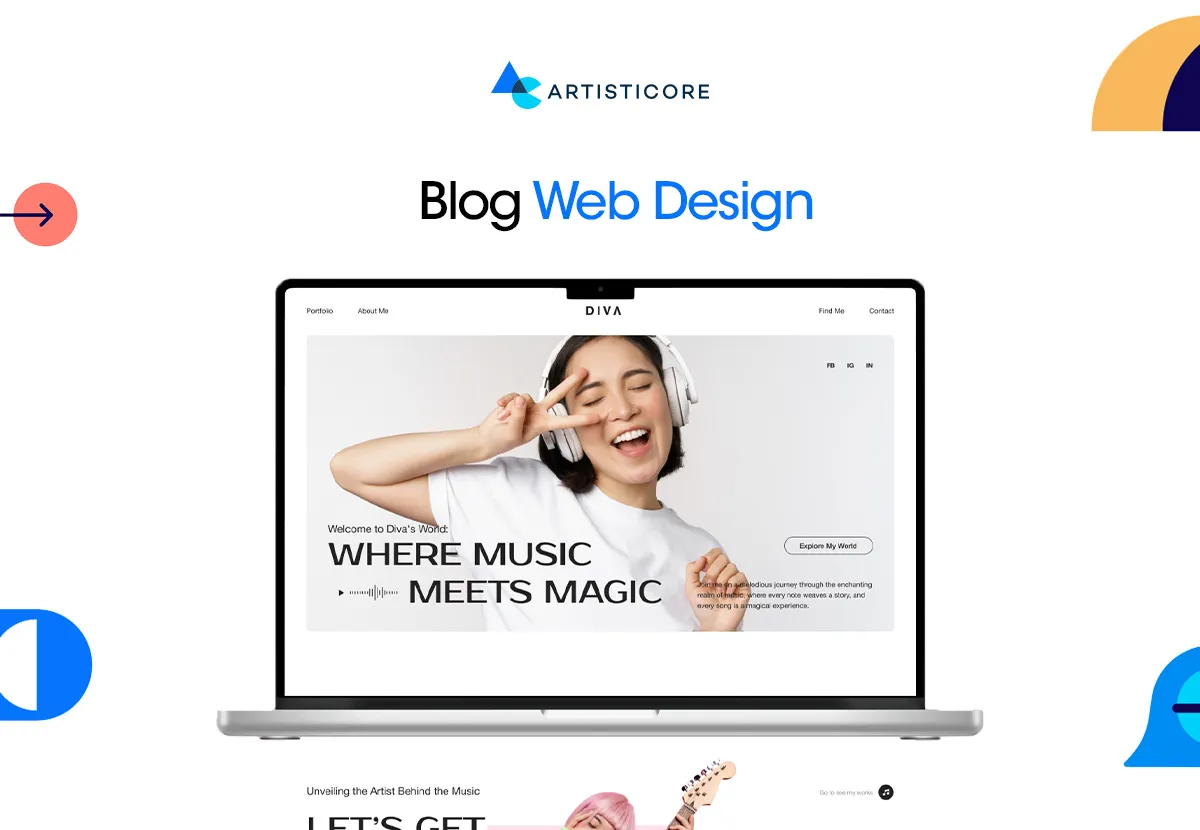
Blog web design focuses on making written content easy and enjoyable to read. Such sites feature pretty straightforward designs. They feature clear typefaces, plain backgrounds, and groups of topics.
This allows the users to easily locate their interests. A blog page can be composed of the main article portion, sidebar widgets, recent posts, and a search box.
The addition of new content requires the blog design to be adaptable and easy to maintain. It should properly function on every type of device. It must work well on mobiles. That is because a lot of blog readers do so on their phones.
The aim is to create a relaxing environment for the readers. A place where they can read articles and check out other content.
9. Landing Page Design
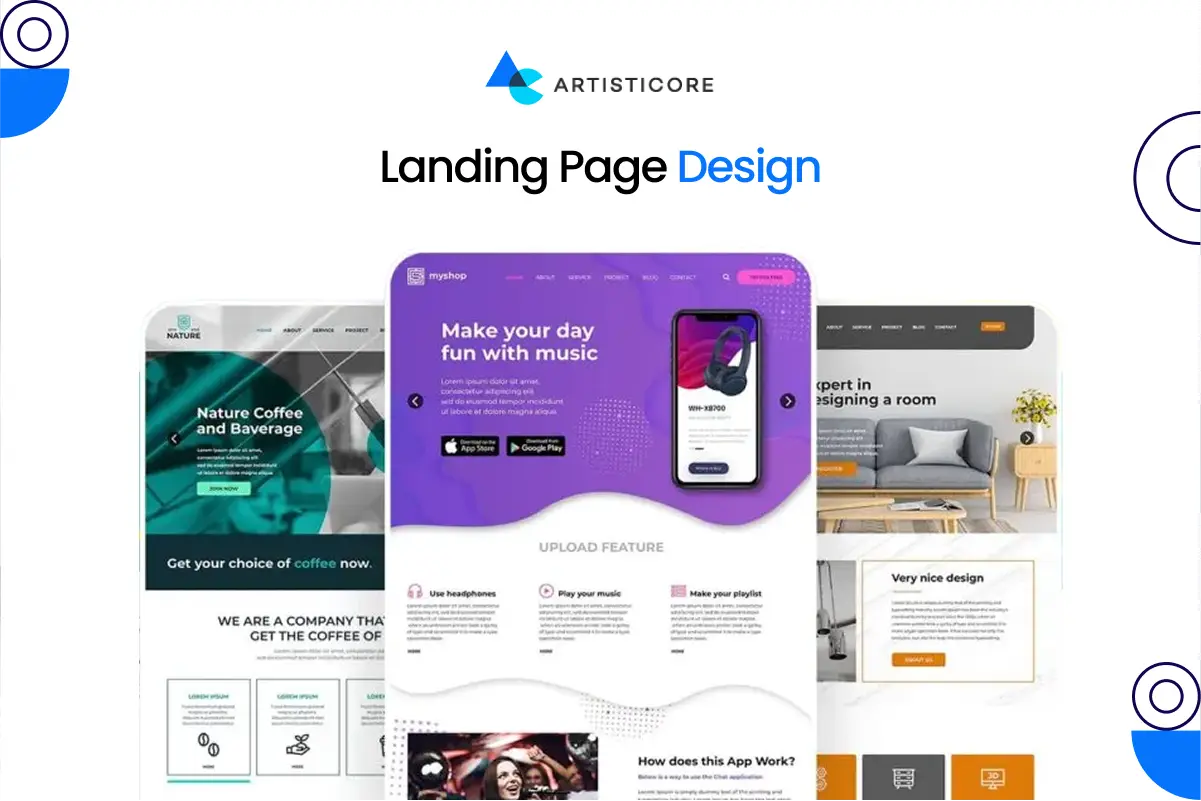
Landing page design is made to motivate visitors to take a certain action. The action can be anything. It could be signing up, downloading, making a purchase, or submitting a form, for that matter.
Landing pages are straightforward and focus on one clear message only. This is different from complete sites.
Their ways for directing visitors are clear CTA buttons, strong headlines, brief descriptions, and nice pictures.
The layout of the whole page is designed to eliminate distractions. It is made to lead users directly to the objective.
An excellent landing page is quick and convincing. It is a perfect match for ads, promotions, campaigns, and brands that want quick conversions.
10. Single-Page Web Design
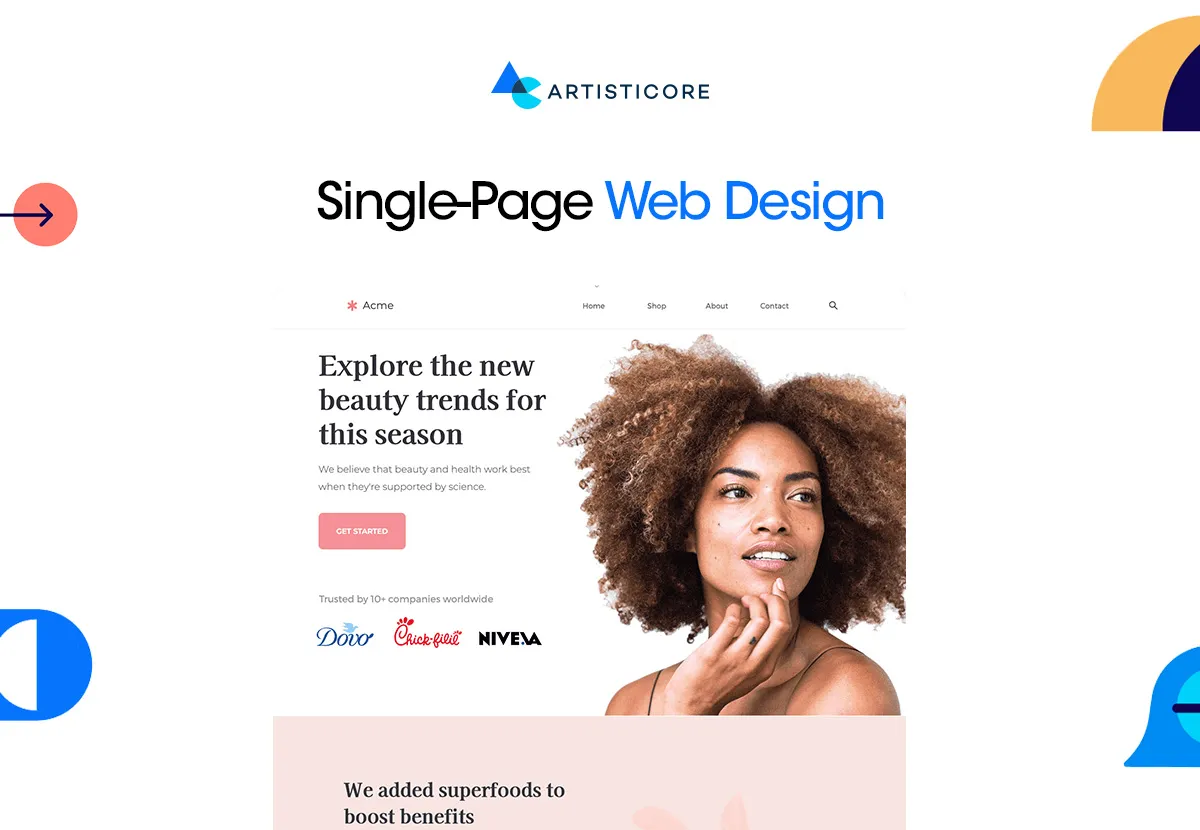
Single-page website design shows all your content in one extended page that can be scrolled rather than in several pages.
This style of design is very straightforward, quick, and convenient for users. That is because they do not have to click through various menus. They only need to scroll to see all the information.
Single-page sites are the most widely adopted option for small businesses, portfolios, and personal brands.
And besides, they are the quickest to implement for apps that want to spread out their information.
Single-page sites feature smooth animations, dynamic sections, and innovative layouts. All of this together creates a nice scrolling experience.
11. Minimalist Web Design
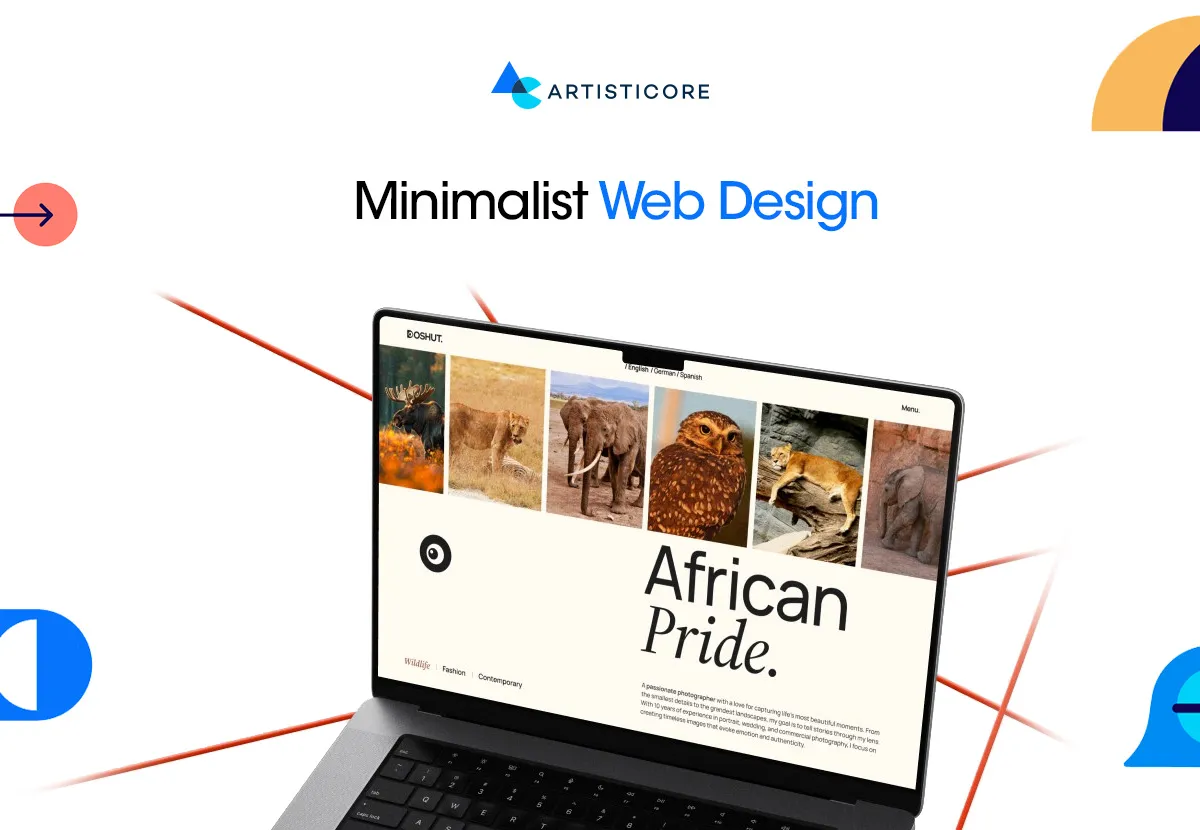
Minimalist web design uses the “less is more” philosophy. The very basics of layouts, large areas of white space, simple typeface, and only the most important elements are used in the design.
The goal is to remove all the distractions from the visuals and to give the site the tranquility, lucidity, and therefore, user-friendliness of the aesthetic.
This design method enables users to direct their attention solely to what is important, whether it be text, images, or the action button.
Minimalist sites are quicker to load, and they are also more up-to-date. They forego heavy graphics and other stuff as it is deemed unnecessary.
Such websites are particularly suitable for showcasing portfolios, premium brands, and even businesses that intend to have a stylish and elegant yet distraction-free online presence.
12. Flat Web Design
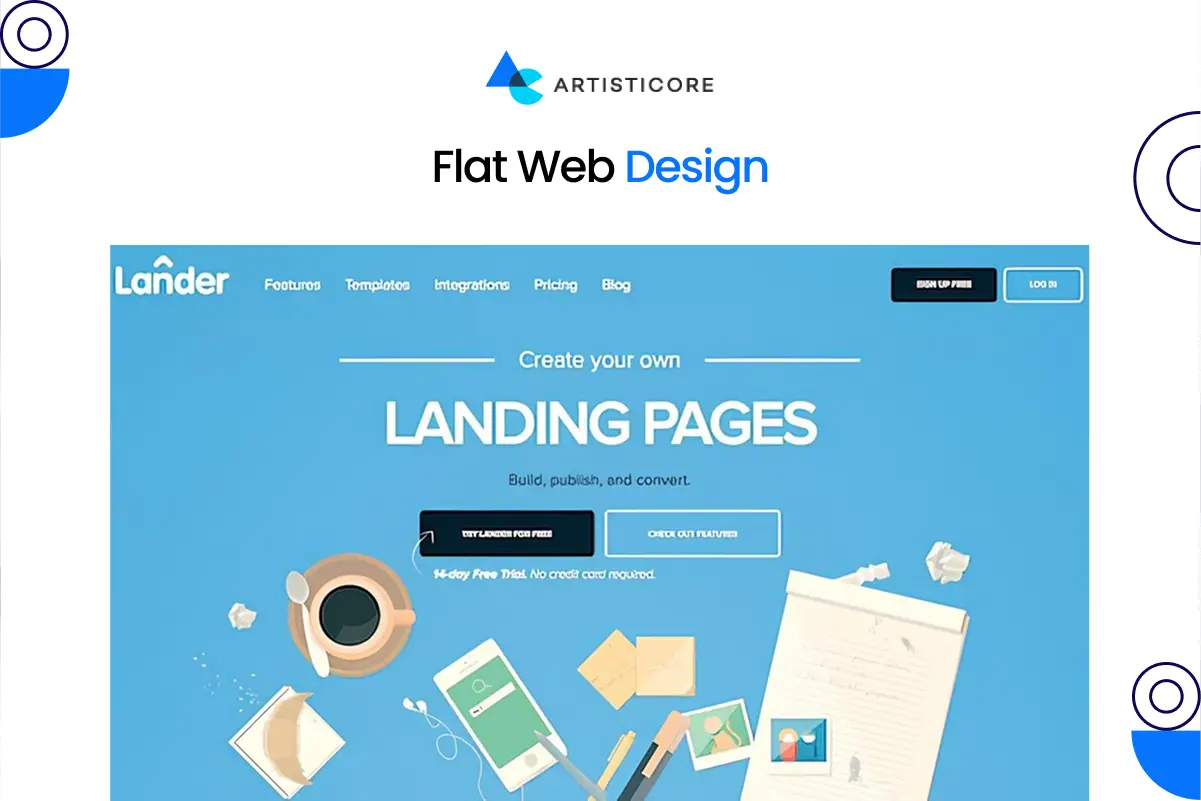
Flat web design is an approach that does not use any special effects at all. It relies on basic geometric figures, strong and bright colors, along with simple icons to form a contemporary and quite readable layout.
The term “flat” refers to the fact that everything appears to be and is very straightforward. This, in turn, results in the website being quicker to load and more pleasant to browse.
The design became a trend as it was very attractive to the eye and at the same time, very simple and practical.
This trend is so strong that most apps, tech sites, and upmarket brands today have completely adopted this style because it seems modern, pleasant, and easy to grasp.
The underlying concepts are always visibility, legibility, and providing users with a neat digital experience.
13. Material Web Design
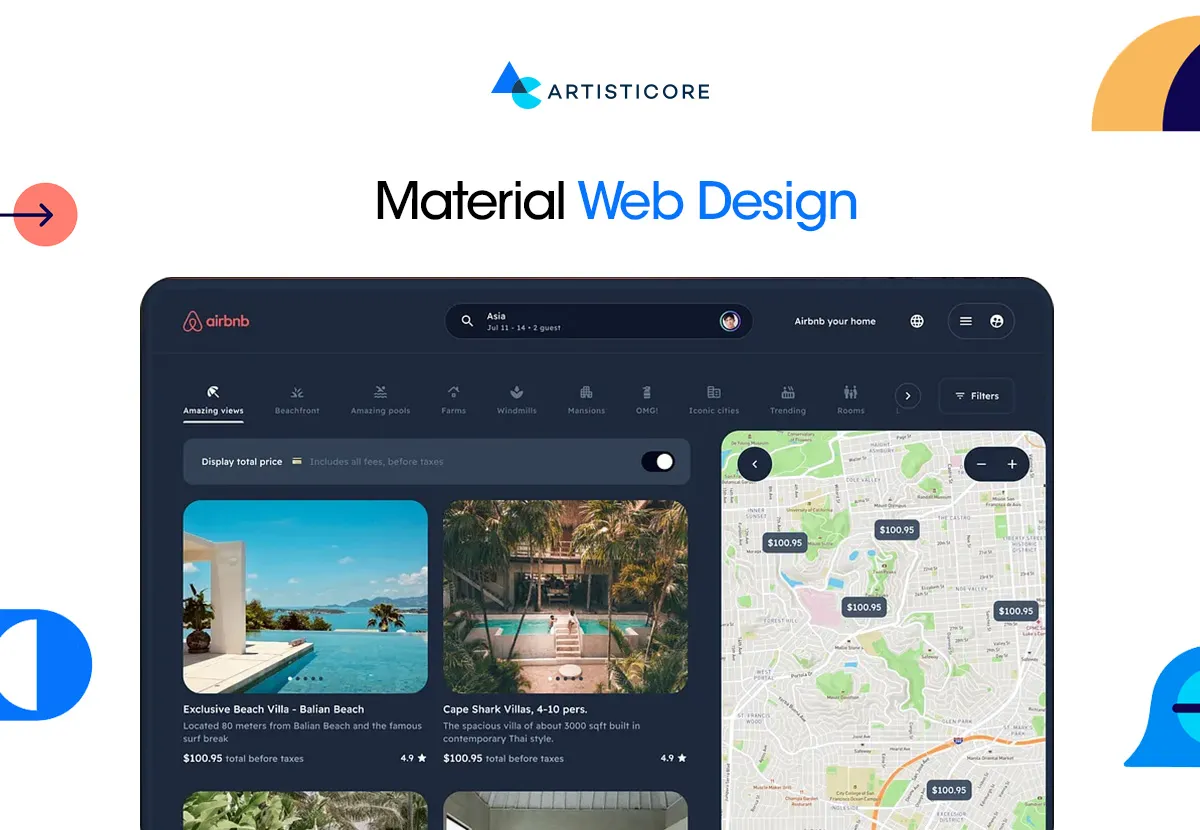
Google brought forth the concept of material web design that makes use of the concept of “digital paper” to arrange the layouts in an uncluttered and neat way.
It uses geometric shapes, light and shadow, stacking, and vivid colors to give a bit of a realistic look to the objects, but not to be completely 3D.
The technique makes it very clear for the user to identify the clickable regions and the non-clickable ones.
Material design considers smooth animations and clear icons to be its most important features, thus completely changing the user’s experience with the interface interaction.
This design is predominantly utilized in applications, data visualization platforms, and websites that aim for a contemporary and structured appearance.
It merges the flat design’s minimalism with a bit of depth as a way of leading users efficiently.
14. Parallax Scrolling Web Design
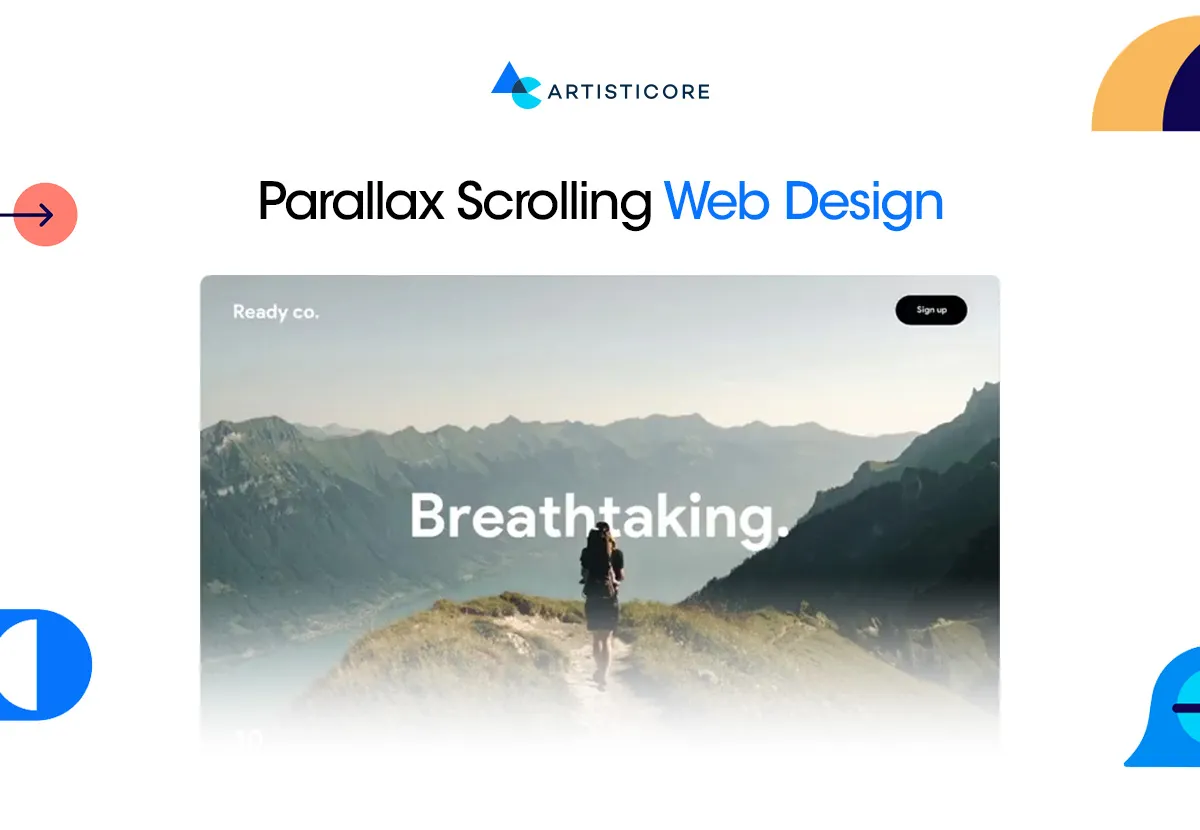
The parallax scrolling site design is a technique that creates an eye-catching visual effect where the background moves at a slower speed than the foreground while scrolling.
Besides, the website seems to have layers that make it more dynamic and fun.
Parallax scrolling is mainly applied for narrative, product displays, and artistic portfolios, as it can captivate visitors’ attention.
Parallax design has the ability to make a common website into an adventure by employing gentle movements, animations, and the layering of visuals.
Nonetheless, it has to be perfectly executed, otherwise it could lead to slower loading time or an overwhelming feeling.
When successfully implemented, it brings in a modern and distinct look and at the same time enables the brands to be recognized owing to their interactive design style.
15. Illustrative & Graphic-Heavy Web Design
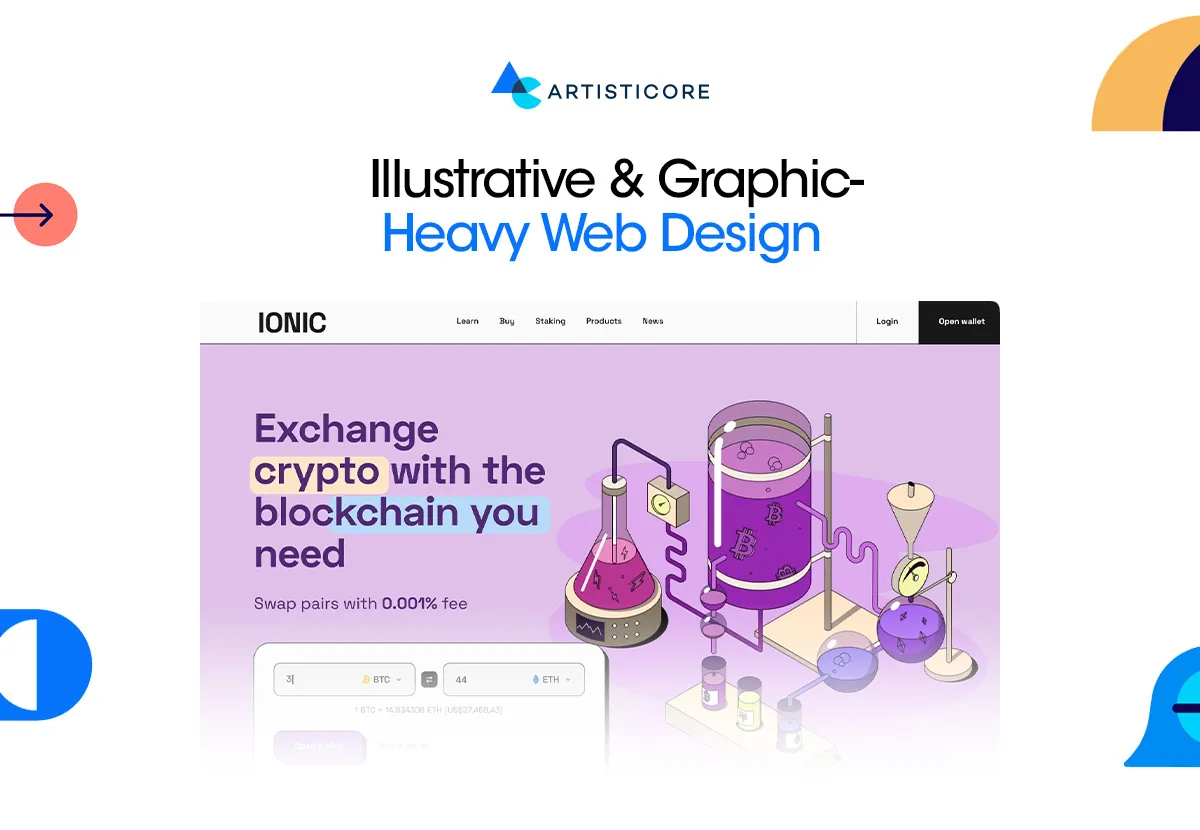
Using custom illustrations, vibrant graphics, striking animations, and imaginative visuals, illustrative and graphic-heavy web design turns a website into a dynamic one.
This type of web design is suitable for brands desiring to convey their traits or narrative. It can transform a website into a different world, whether it is a kids’ domain or a high-end art gallery, depending on the choice of the designer.
Illustrations can help the users to navigate through the site, draw their attention to the most vital parts, or create a certain atmosphere for the brand.
Indeed, these kinds of websites are the ones that are most likely to be remembered and recognized, as they are the most unconventional.
But, on the other hand, they have to be loaded properly so that the graphics do not contribute to slow loading speed.
This way of designing is especially suitable for creative agencies, children’s brands, entertainment sites, and artistic portfolios.
Need a Website that Feels Fresh and Professional? We Create Custom Designs Tailored to Your Business Goals.
Choosing the Right Web Design for Your Business
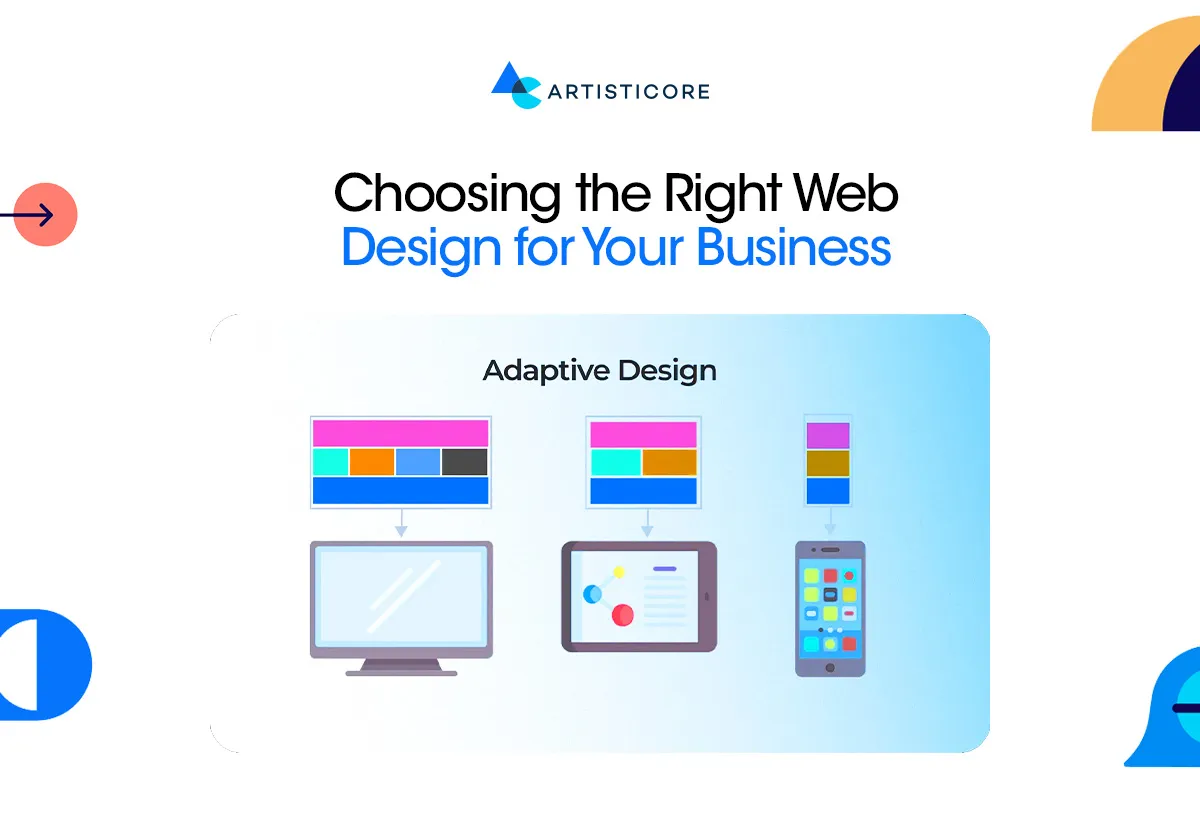
Choosing the right web design for your company means first understanding your target audience’s requirements.
And secondly, it’s about knowing the very way you want your brand to be perceived. All types of web design have their specific usage.
For instance, stores require an e-commerce design. On the other hand, an artist uses a portfolio layout.
Another thing to be wary of is the content you have, updates to the site, and the experience you intend to give users.
Most brands will do very well with a clean, simple design. However, if your aim is to stand out, then a more vibrant design might be the way to go.
The ideal web design is one that is in line with your goals and simultaneously brings pleasure to the users during their visit.
Get Started With Artisticore for Your Web Design
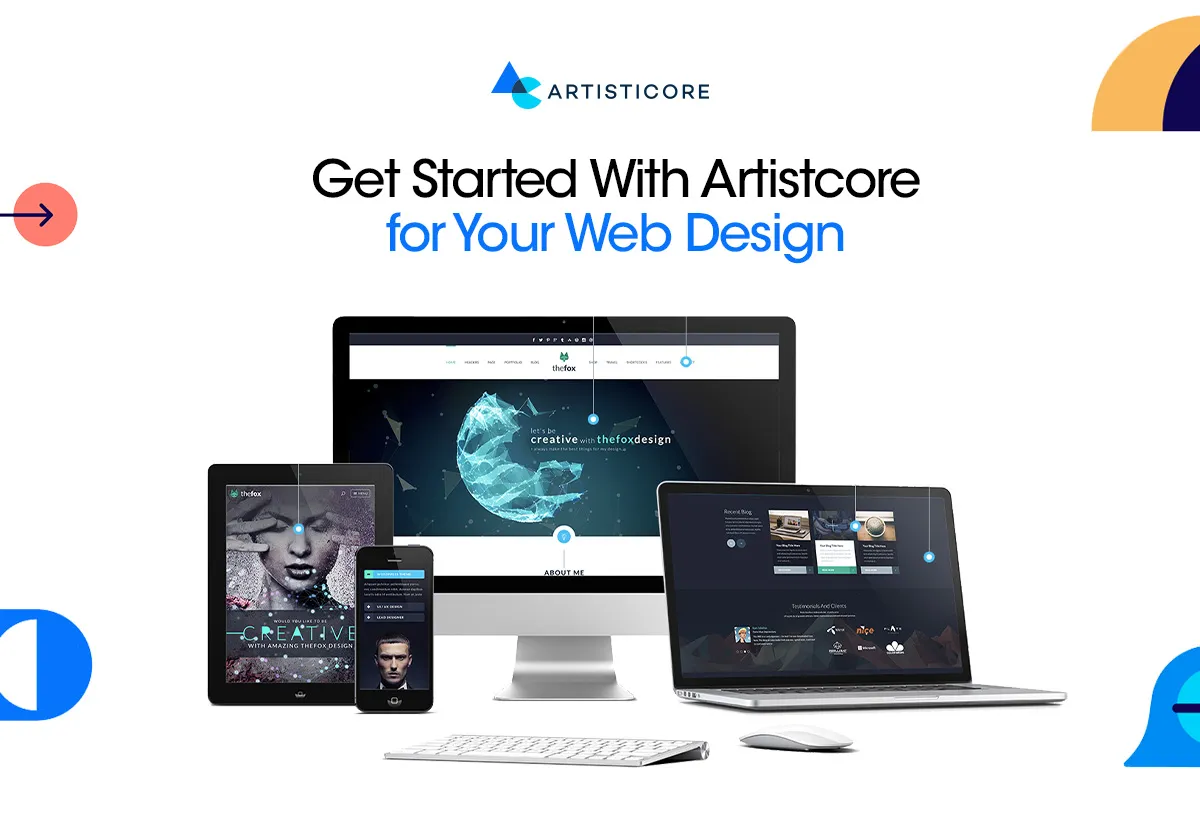
Artisticore is the best web design company. We offer Web Design Services to create designs that suit your business model, needs and cater to your audience.
Artisticore has a team of expert designers who have skills, artistry, and experience. We choose the right types of web design that are aligned with your brand and goals.
More so, we follow modern web design trends (2025) to create a site that looks fresh and up-to-date.
So, partner with Artisticore, and experience a hassle-free design that requires no effort from your side. With us, you will have a site that looks good and sells well.
Final Thoughts
So, there you have it, folks. That’s the end of this blog on 15 types of web designs. We hope that among all the types of web design we featured, you can choose the right one for you. As you know, web design is a major factor in the way your online brand is perceived.
The right design can make your site more interactive and user-friendly. Your website is not only for looking pretty, but it is also for creating trust. However, if you need the right web design for your site, then you can consider Artisticore for the job. With Artisticore supporting you, we turn your business into a winner in the long run.

Sultan Hanif is a seasoned wordsmith, who brings technology trends and innovations to life through his words. A tech-savvy gamer with a passion for all things football, Sultan blends his technical knowledge with creative storytelling to empower businesses and individuals alike.
